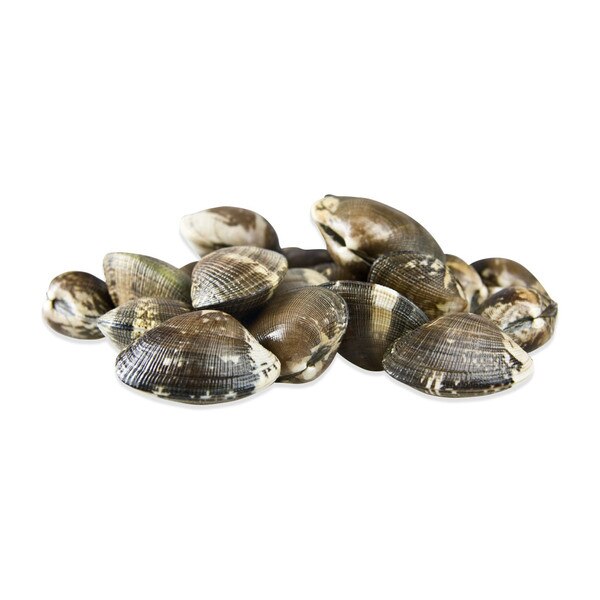
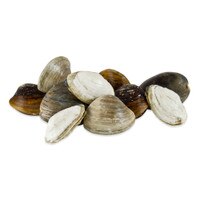
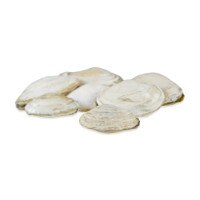
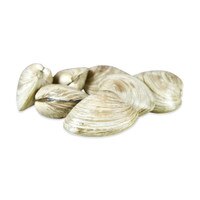
Manila clams can either be served raw like oysters* or cooked.
Discard any clams that aren’t tightly closed or do not close when tapped. Before cooking or serving raw, rinse them under running water and, if necessary, scrub them with a stiff brush. You do not need to purge these clams.
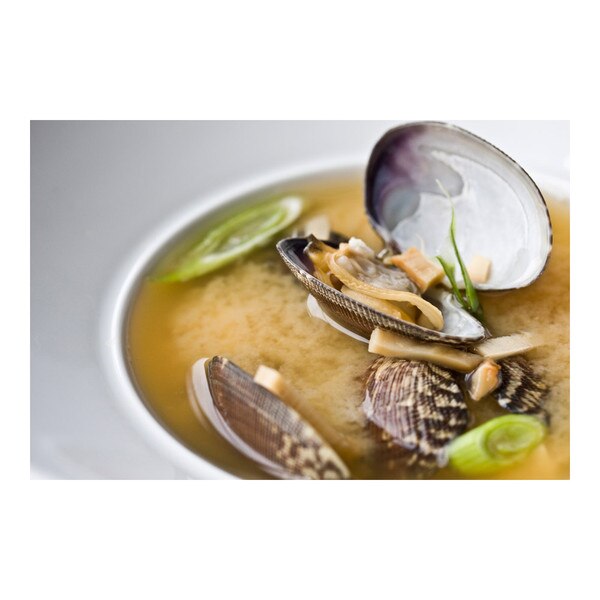
Manila clams are delicious gently steamed with or without aromatic vegetables or herbs. They can then be eaten as-is, or tossed with pasta, added to soup or used as an ingredient in other dishes.
They can be opened before cooking and baked on the half-shell or have their meat removed for use in sautés, stir-fries, soups & stews. Pre-cooked clam meat is a tasty addition to salads.
How to Steam Clams
How to Open Raw Clams
Clam Recipes
*People with compromised immune systems should not eat raw or partially cooked clams
To learn more about clams of all types, read our Clam Species Guide. Go to the Guide →