|
 |
 |
 |
 |
 |
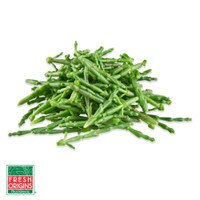
Sea beans (aka Salicornia, Samphire, or Glasswort) grow on beaches and in marshes. They are the small, fleshy stems and branches of salty seacoast plants that look like tiny green coral. They have a crisp texture and a salty sea flavor with hints of asparagus.
All of these sea beans have been sustainably hand-foraged in the Pacific Northwest.
Origin: The Pacific Northwest
Season: Typically between summertime and the fall.
Applications: Fresh sea beans can be consumed either cooked or raw. They add a salty accent to any food they are cooked with, so be sure to taste your dish before adding any additional salt. They can be sautéed, pickled, tempura battered and deep fried, steamed, put in soup, or even used in omelettes.
To reduce their saltiness, try briefly blanching them in boiling water prior shocking them in an ice bath for use in salads or continuing to cook them using other methods. Tossing them in fat (olive oil, mayonnaise, aioli or butter) or with acid (vinegar or lemon juice) will also help cover their salt content.
Because sea beans’ flavor evokes the ocean, they pair well with crab, fish, and fresh mussels.
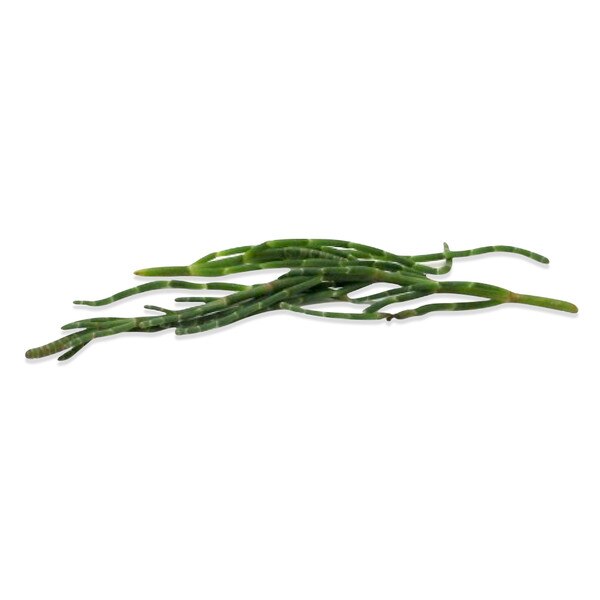
How to Store and Share: We recommend using fresh sea beans as soon as possible after arrival for best texture and flavor. They should be tightly wrapped in plastic, then stored in the refrigerator and will last for up to two weeks. You may be able to revive any sea beans that go limp by briefly soaking them in ice water.
Specifications: Each order is 2 lbs of wild seabeans.
Shipping Method: Fedex Overnight
|
|
 |
 |
|
|
|
|