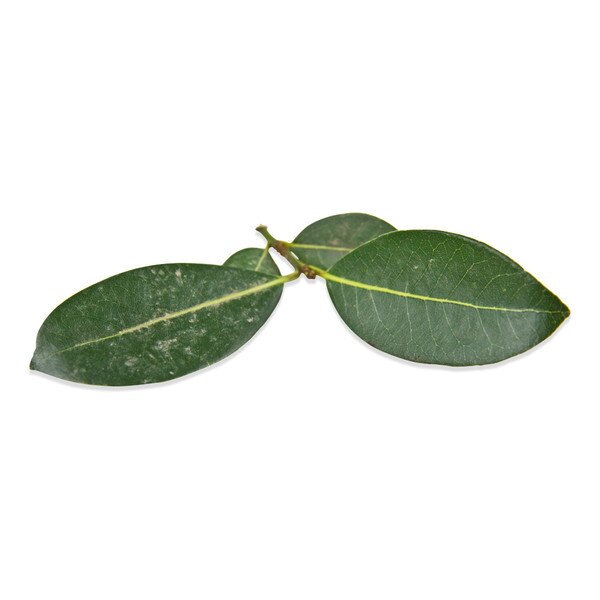
While you can use more fresh bay leaves than dried without making your food bitter, if converting a recipe from “bay leaves” (usually Mediterranean) to fresh California bay leaves, use half as much. Just before using, crush & bend fresh bay leaves with your hands to allow them to release more of their flavor.
Do not leave bay leaves in finished dishes to be consumed, but instead fish them out prior to serving. Try to keep them in large pieces or wrap them in cheesecloth/muslin or a tea infuser for easy removal.
Flavors commonly paired with bay leaves include meat, poultry, artichokes, beets, fish and tomatoes.
Fresh bay leaves can be used as you would dry leaves in soups, stocks, braises, poaching liquids, stews or other wet cooking method dishes. However, they also offer broader culinary possibilities, such as inserting under the skin of poultry and game birds prior to roasting, or imbedding them in slits cut into roasts (pork, wild boar, lamb or veal).
Try adding them to your pot of rice (see Cooking Rice Using the Pilaf Method), lentils, or heirloom beans the next time you cook some.
You can even use them to flavor simple syrups, liquors, or desserts (try steeping them in custard bases).