Browse Best Selling Meat Cuts
.png)
.png)
.png)
.png)
.png)
.png)
.png)
.png)
.png)
.png)
.png)
.png)
.png)

High Quality
Premium Meats

Free Shipping On
All Orders!

Family Owned
Business
Planning a Spring Fling? We Have Some Delicious Ideas.
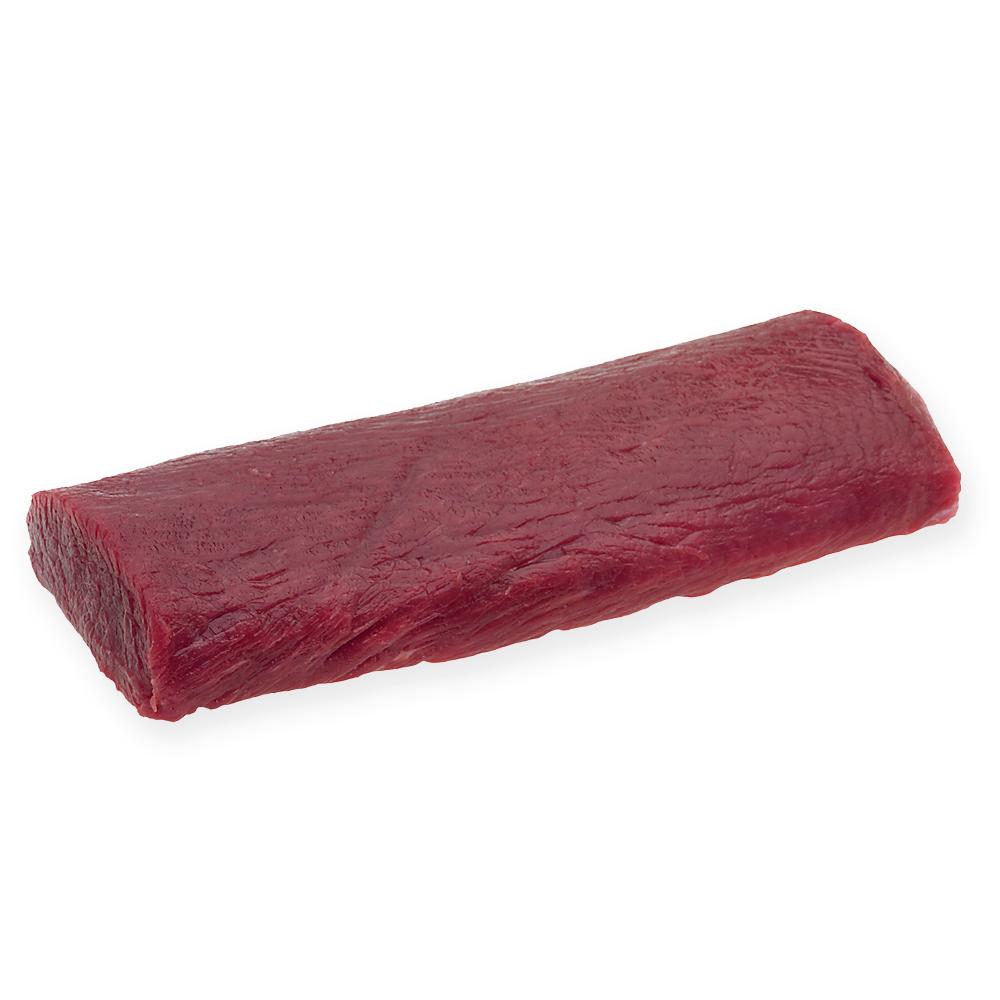
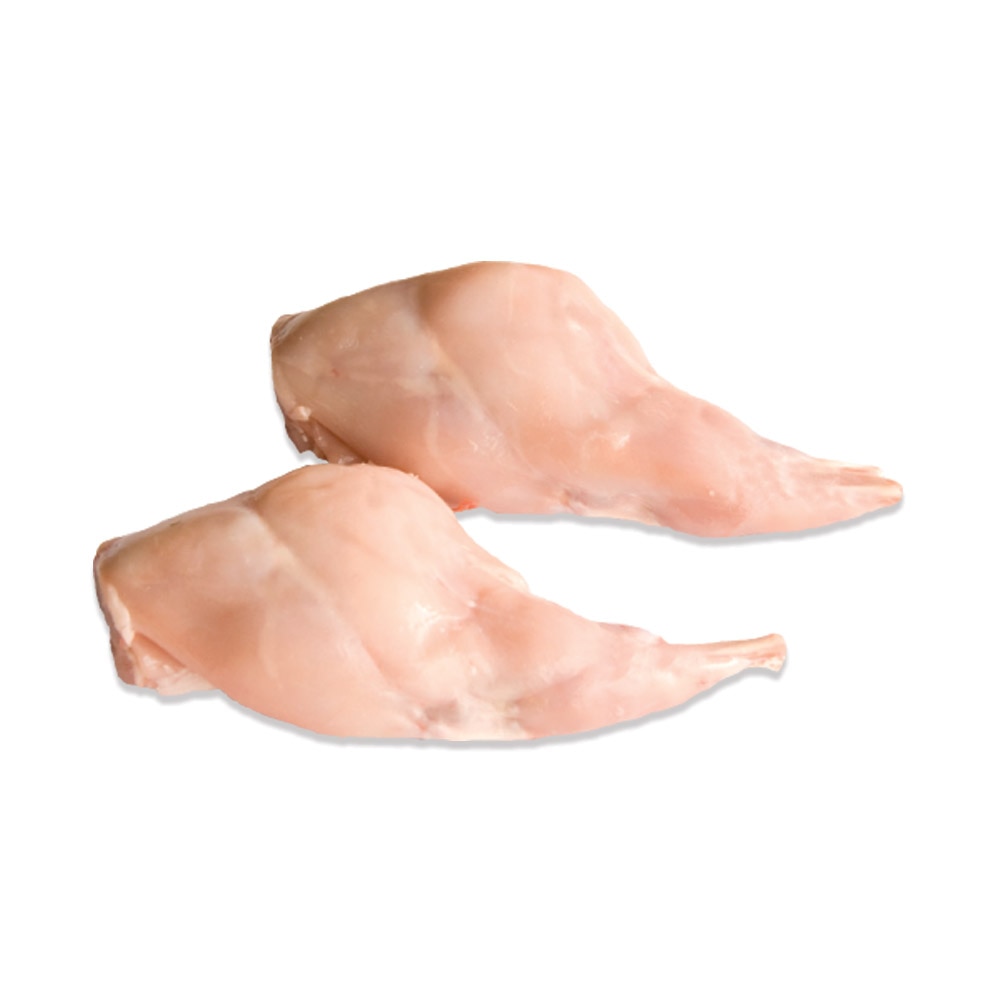
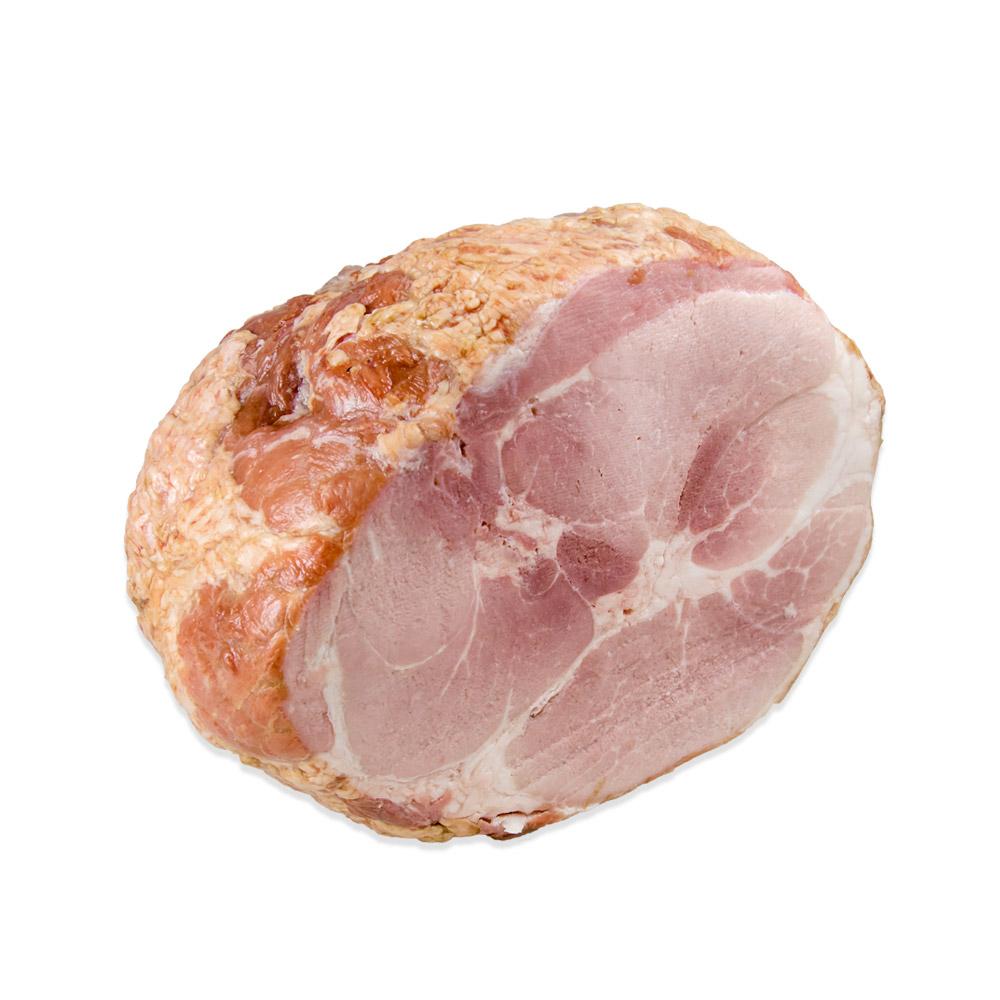
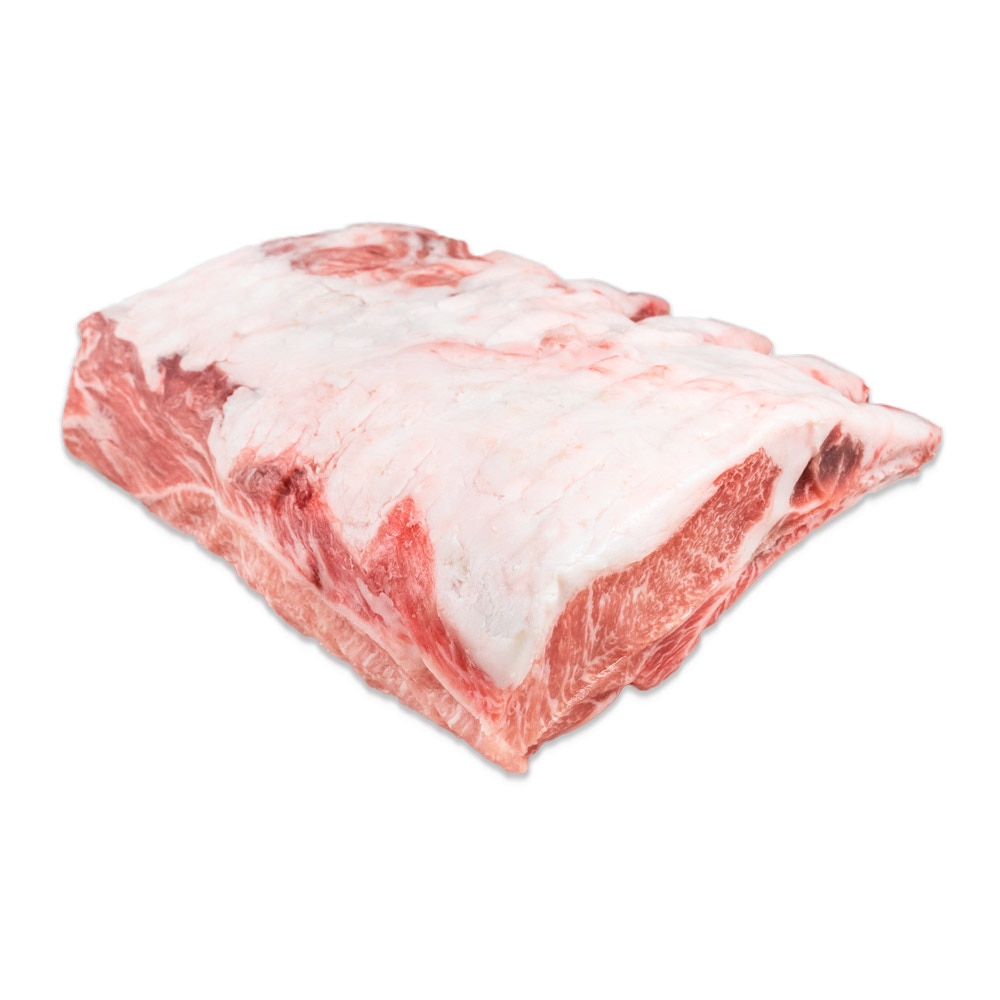
What Customers Are Saying
As Featured In










Why Marx Foods?
We Search the Globe to Bring You the Very Best
Marx Foods is your online source for restaurant-quality wholesale meat and other specialty foods obtained from all over the world.
We understand that a meal is only as good as its ingredients, so we make it our mission to carry the finest raw ingredients - the same products we sell to award-winning chefs -- and make them available to home cooks like you.
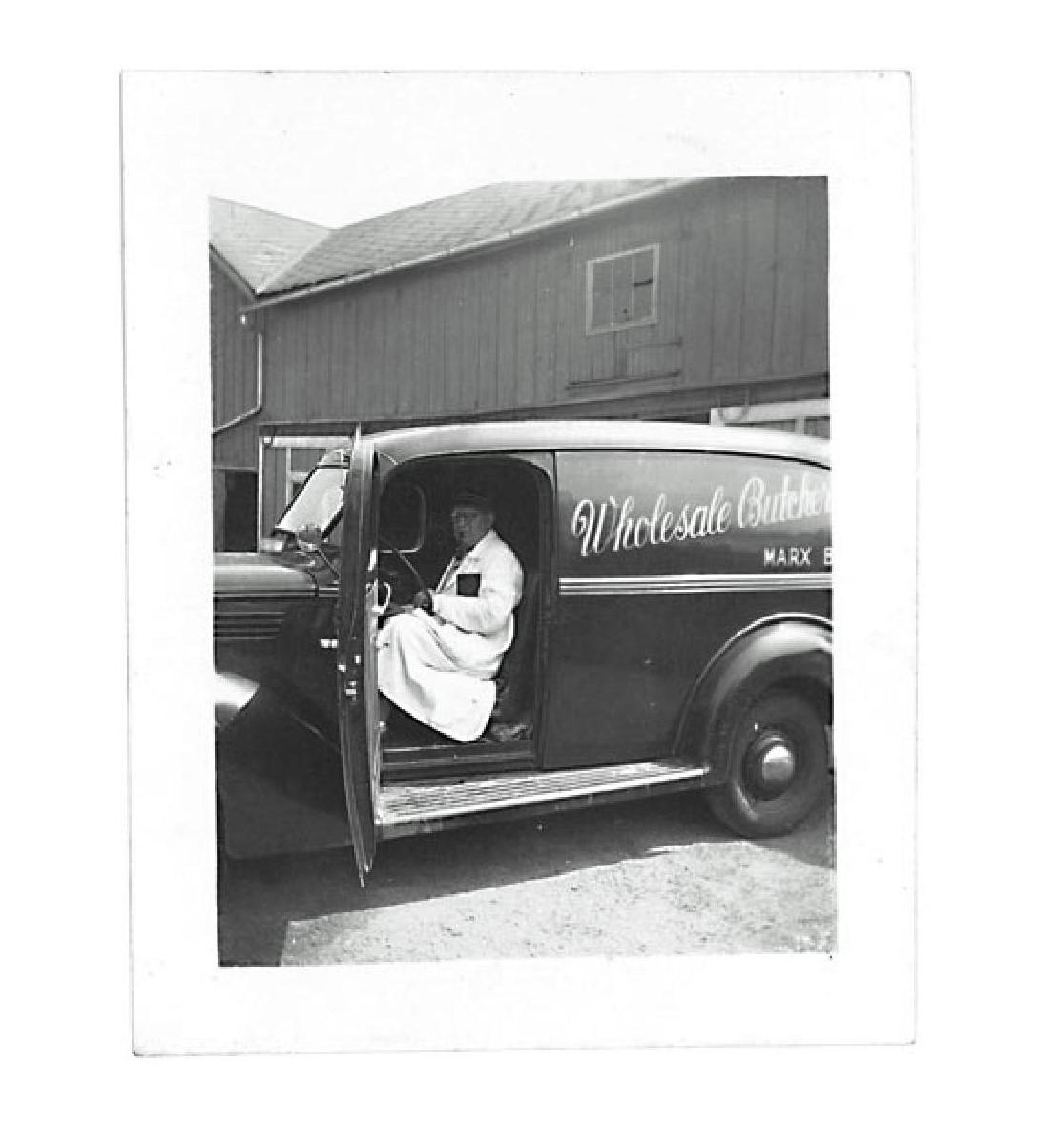
Our family-owned business got its start in the late 1800s, initially as a butcher shop in Brooklyn, NY, and soon after as a slaughterhouse and cattle dealer in New Jersey. Five generations later, we are wholesale meat distributors focused on maintaining the highest standards for the programs and products that we provide. We go to the source—farmers, artisans, fishermen, ranchers, foragers – seeking producers dedicated to animal welfare, sound environmental practices, and superior product. Offering premium, wholesale meat online allows every cook to have access to these top-notch ingredients.
Take Your Cooking to The Next Level
When you are shopping for bulk meat online, turn to Marx Foods to find the highest quality premium meats — whole animals, portioned cuts, fresh and frozen meats, domestic and imported meat, and more.
Our products include grass-fed beef and lamb, wagyu beef, heritage pork, game meats, organic chicken and other wholesale poultry, as well as wild-caught wholesale seafood and unique specialty produce. It’s all easily available to consumers online and delivered via FedEx Overnight.
If you are interested in fast, convenient online meat delivery, shop Marx Foods’ thoughtfully sourced selection of premium, wholesale meat and other specialty foods.