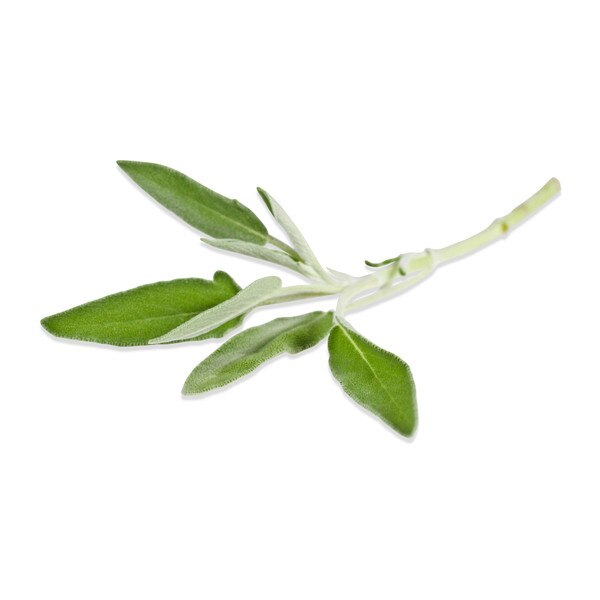
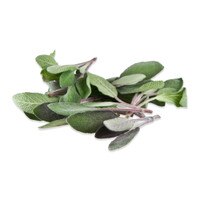
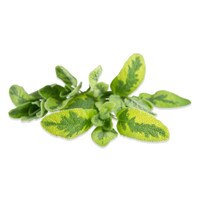
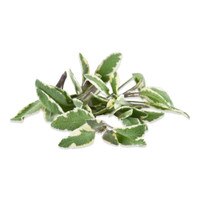
Because whole sage leaves can be rather potent, they are often finely shredded or diced prior to use outside of marinades.
Ingredients commonly paired with sage include: tomatoes, veal liver, eggplant, mutton, white beans, squash (butternut & pumpkin) and nutmeg.
Sage is a great addition to homemade sausage recipes, and is a major element in the flavor of most American breakfast sausage. Whole sage leaves are often deep fried until crisp or sautéed in butter for use as a garnish or inclusion in gnocchi and pasta dishes.
An example of a dish showcasing the flavor of fresh sage is Saltimbocca (an Italian word translating to “jump in the mouth,” a reference to the flavor of the whole sage leaves used). Saltimbocca is a dish where chicken or veal cutlets are pounded thin, layered on one side with whole sage leaves and prosciutto, and dipped in seasoned flour before being pan fried. The dish is usually finished with a white wine & cream or crème fraiche-based pan sauce.
Herb Recipes Collection