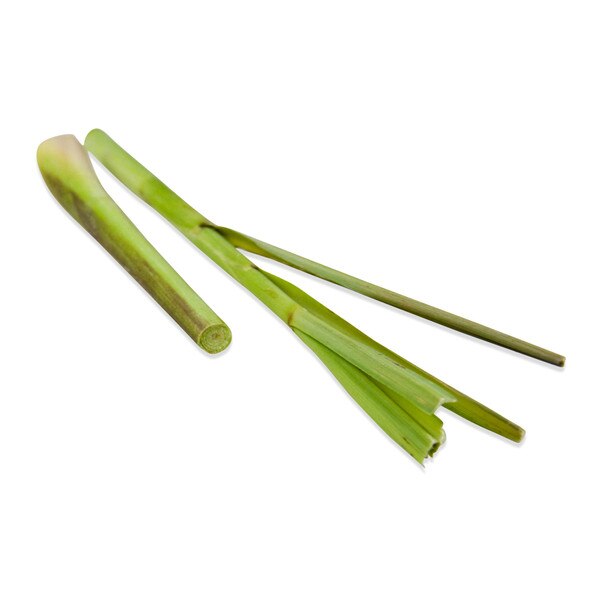
Peel the outermost leaves from the stalk and discard prior to cooking with lemongrass. To help it release more of its flavor faster, hit each stalk several times firmly with the back of a knife to bruise it before cooking. This releases more of the flavorful oils.
Lemongrass pairs extremely well with fish, but is also used with poultry, clams, and pork. The most commonly used method for cooking with lemon grass is steeping: add it to soups, stews, and curries as you would a bay leaf, removing the lemongrass prior to serving. Lemongrass’s flavor can be added to sauces by pureeing it with other ingredients.
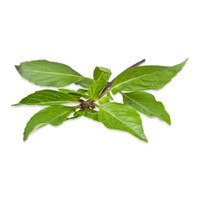
Ingredients commonly paired with lemongrass include coconut milk, thai basil, chilies, shrimp paste, makrut lime leaves, tomatoes and fish sauce (aka nam pla).
It can also be steeped in hot water to make lemongrass tea, which has a citrusy aroma that can help soothe respiratory discomfort.
LimeLeaves-1.jpg?resizeid=13&resizeh=200&resizew=200)