| Size: |
Twenty 8oz steaks (approx. 10lbs total). |
| Features: |
Free Range, Humanely Raised, All Natural*, Frozen, Individually Vacuum Packed |
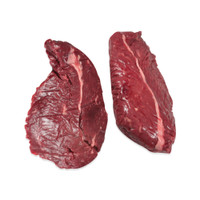
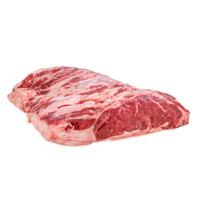
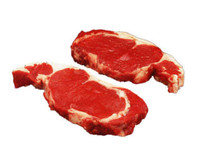
If you’re looking for something more tender than bison ribeyes but more flavorful than bison filet mignons, bison New York strip steaks are the answer. Sandwiched between the tenderloin and the rib sections of the buffalo, bison NY strip steaks combine the best of both worlds and are extremely flavorful while also being tender.
Bison's flavor is often described as a richer version of beef with just a hint of sweetness. It is not gamey at all, and has a deeper red color and coarser grain than beef.
Like many game meats, bison meat is much healthier than conventional grain-fed beef. It’s primary health benefits are its low fat content (less than a third as much fat as similar cuts of beef), lower cholesterol (less than skinless chicken) and high amount of iron. This makes it an ideal red meat choice for those concerned about eating heart healthy food.
*Minimally Processed. No Artificial Ingredients.
Store bison strip steaks in your freezer until you're ready to use them, then thaw as many as you need. For thawing tips, please read
Safely Defrosting Frozen Food for Maximum Flavor.
We do not recommend refreezing unused raw portions.
Bison strip steaks can be used in any recipe calling for beef NY strips, but it is important to remember that they will likely cook faster due to their lower fat content. Because bison is much higher in protein and also a little denser in texture, you’re likely to get full with smaller portions.
Like bison tenderloin steaks, the New York strip works well with sauces. Pair it with sautéed fresh mushrooms sautéed in white-wine for a lighter touch, or go all out with a cream pepper sauce (steak au poivre). Bison pairs well with rich, rustic flavors like chile peppers, beer, cumin, red wine, rosemary, and sage.
Like all meats, it is important to rest bison (covered) after cooking but before slicing in order to allow the meat’s juices to redistribute. The larger the cut, the longer it needs to rest, with small cuts resting for 5-10 minutes and larger cuts resting 15 minutes or longer. While resting, the meat will continue to cook slightly, so for best results remove it from the heat while it’s still a little below your preferred doneness.
How to Tell Steak Doneness By Feel
Three Techniques for Cooking Steaks
Steak Recipes
Recommended Cooking Temps:
Rare - 135°
Medium Rare - 140°-150°
Medium - 140°-145°
Medium Well - 160°
Well Done - 165° and above